01
Research
Choose the right architecture
We moved beyond a traditional blockchain after comparing IOTA, Obyte, EOS, and Nano. Nano’s block-lattice model matched the brief: feeless microtransactions, near-instant settlement, and low energy use.
 FlairrcoinProject archive
Project Lead · Technical Lead · UCF Senior Design 2020
I initiated Flairrcoin, project-managed its delivery, and served as technical lead while engineering its core systems. I took the project from early research through a working feeless cryptocurrency, then handed it over to Flairr Labs when I departed.
Project brief
The brief was to create a secure cryptocurrency and wallet that could plug into Flairr, an augmented-reality social app. Instead of mining or speculation, users would earn Flairrcoin through activities, hold it in an integrated wallet, and move it to a standalone vault for broader control.
Project + technical leadership
I began the project, translated the product idea into an executable technical plan, coordinated the work, and engineered across the protocol, infrastructure, packaging, and documentation layers. At departure, I transferred the project to Flairr Labs for its next chapter.
Project initiation and delivery leadership
↗Team planning and project management
↗Nano protocol fork
↗AWS setup and configuration
↗Database setup and configuration
↗Docker packaging
↗Flairrcoin node
↗macOS and Linux builds
↗Whitepaper and technical documentation
↗The working system
The public code captures the project as a system: protocol, wallet, realtime delivery, and an API boundary between them.
Core network
Wallet client
Realtime bridge
API gateway
How it came together
We moved beyond a traditional blockchain after comparing IOTA, Obyte, EOS, and Nano. Nano’s block-lattice model matched the brief: feeless microtransactions, near-instant settlement, and low energy use.
The team compared Nano with the Banano fork, classifying more than 500 files by change type and impact severity. That analysis turned a sprawling protocol into an executable migration plan.
We created the Flairrcoin genesis block, configured representatives and peers, enabled JSON RPC, built the Linux node from source, and packaged the path for Docker-based operation.
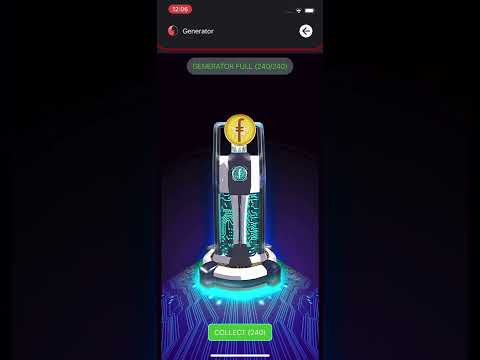
The node, API gateway, websocket service, standalone vault, and integrated app wallet formed a complete transaction path—from earning a reward to managing it independently.
Evidence
The work is supported by primary project artifacts and independent media coverage—not just a retrospective summary.
Co-authored by Cristino R. Santiago, Erick Peña, and Daniel Morales at the University of Central Florida.
The source for the project scope, team responsibilities, protocol choices, genesis workflow, builds, APIs, wallets, and system diagrams.
From project start to final handoff